
 Contact
 Cum să cumpăr
Livrare
Consilier de cumpărături
 engleză
 28 b
28 b
 Nou
Nou
Până la 30 de zile pentru returnare

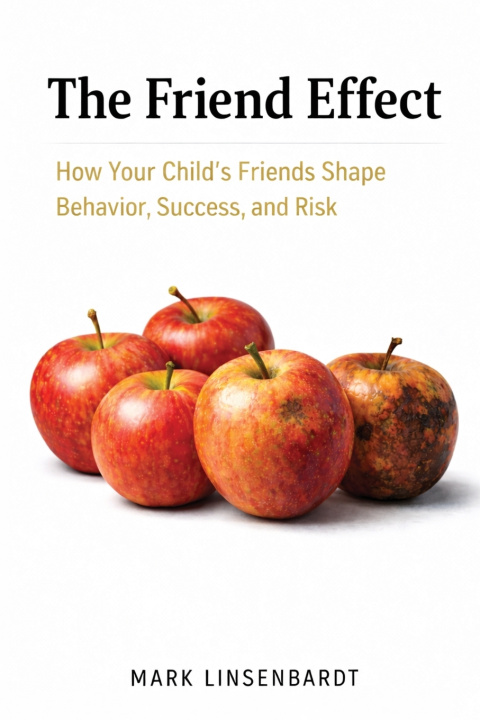
We track almost everything in our children's lives. Grades, nutrition, sleep, screen time, social media. Most of us have spent almost no time thinking strategically about the one variable that research consistently shows predicts outcomes better than nearly all of those combined: the friends our children choose.
The Friend Effect makes the case that friend selection is a skill, one that can be taught, that compounds over time, and that almost nobody teaches. The people closest to a child set the standard they unconsciously measure themselves against, shape what feels normal and possible, and determine the direction every influence will travel. The inner circle of two or three close friends does more to shape a child's emotional health, academic engagement, and long-term trajectory than any teacher, coach, or curriculum.
Drawing on twenty-five years of direct work with young people, from high-performing JROTC programs to juvenile drug courts, and grounded in peer-reviewed research on adolescent brain development, social influence, and friendship dynamics, the book moves through four sections: why the skill matters, the criteria that actually separate a good friend from a convenient one, how to recognize warning signs before they become visible, and how to have the conversation at every age.
The book runs two parallel tracks throughout, one for parents of children ages seven to ten, when the skill is easiest to build, and one for parents of children eleven to seventeen, when the brain has fundamentally changed its priorities and the approach must change with it.


Informații despre carte
engleză
