
 Contact
 Cum să cumpăr
Livrare
Consilier de cumpărături
 engleză
 53 b
53 b
 Curând
 Nou
Nou
Până la 30 de zile pentru returnare

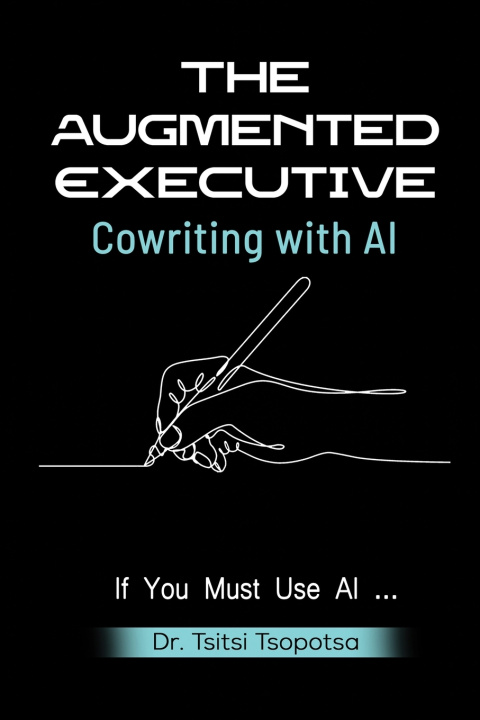
The Augmented Executive
Most books about AI assume the problem is learning how to use the tools.This one assumes the real problem is understanding the world those tools are already reshaping-and how to operate within it without losing intellectual authority, professional agency, or authorship of your work.
AI is no longer a neutral productivity layer. It is a socio-technical system that is reorganising how knowledge work is produced, how expertise is recognised, and how value is assigned across industries. It is changing not only what gets written, but who is permitted to define what counts as credible thinking.
The question is no longer whether to use AI, but how to remain professionally intact in a system that is quietly redesigning the conditions under which judgement itself is exercised.
The Augmented Executive is a framework for working with AI while maintaining critical awareness of its structural impact on labour, authority, and decision-making. Written by Dr Tsitsi Tsopotsa-a PhD researcher in Creative Writing and experienced business executive -this book sits at the intersection of language, power, and professional practice. It is grounded in a single premise: in the age of AI, the defining executive capability is not technical fluency, but the ability to preserve judgement in environments that increasingly externalise it.
This is not a prompt book, a tool guide nor is it a productivity manual. It is a system for remaining intellectually accountable in environments where thinking is increasingly delegated to machines.
Inside, you will learn how to:
- Work with AI without outsourcing the cognitive responsibility that defines professional expertise
- Recognise how AI systems reshape organisational authority by shifting judgement from individuals to infrastructure
- Understand the economic logic driving AI adoption and its implications for professional identity and value creation
- Structure AI-assisted work in a way that preserves authorship, accountability, and clarity of thought
- Maintain a disciplined human review process that ensures you remain the final authority on your output
- Navigate the ethical and reputational risks of producing work in collaboration with non-neutral, data-driven systems
- Protect professional voice in environments where language is increasingly generated, filtered, and standardised by machines
This book is written for executives, consultants, founders, coaches, and subject-matter experts who are not simply using AI, but are already operating inside the system it is reshaping. The advantage in the AI era will not belong to those who adopt tools fastest. It will belong to those who understand what is being reorganised beneath them-and still choose to think with precision, responsibility, and intent.
AI is not just changing how work is done. It is changing how judgement is distributed.
And the defining question is no longer whether you can use it-but whether you can remain the author of your own thinking while doing so.


Informații despre carte
engleză
