
 Contact
 Cum să cumpăr
Livrare
Consilier de cumpărături
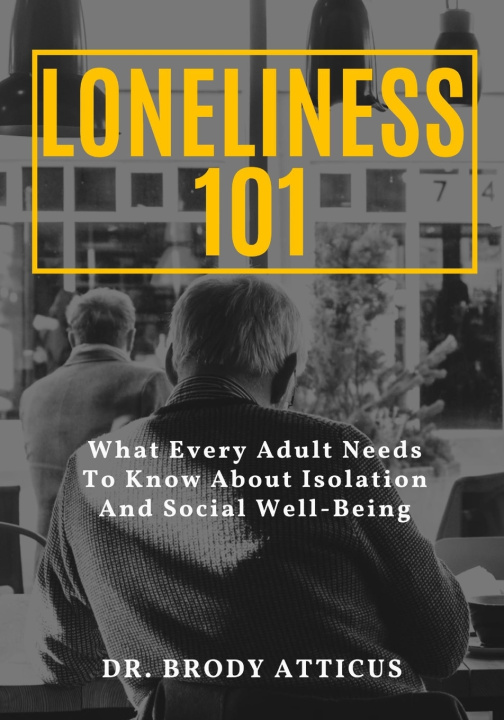
LONELINESS 101
What Every Adult Needs To Know About Isolation And Social Well-Being
 engleză
 33 b
33 b
Până la 30 de zile pentru returnare
Clienții au cumpărat de asemenea



 /
/
 Carte broșată
 300.26
lei
300.26
lei





Loneliness and social isolation are often spoken of in the same breath, yet they represent distinct-though overlapping-human experiences. Loneliness is the subjective, deeply personal feeling that one's social connections are insufficient in quality or quantity. It is the distressing gap between the social relationships we have and those we desire. Social isolation, by contrast, is an objective state defined by the absence or scarcity of social contacts and meaningful engagement with others. Both can occur independently, yet both exert profound influences on our mental, emotional, and even physical health.
In adulthood, these experiences take on particular complexity. While loneliness is commonly associated with adolescence or old age, the truth is that many adults-whether in their 20s or their 80s-struggle quietly with feelings of disconnection. Career pressures, family responsibilities, geographic mobility, and shifting social landscapes can all erode the networks we rely on for companionship and belonging. Major life events such as divorce, bereavement, job loss, or relocation can disrupt long-established connections, while subtler changes-like the gradual drifting apart from friends-can leave adults feeling unexpectedly adrift.
From a public health perspective, loneliness and social isolation are not just matters of personal unhappiness. An ever-growing body of research links them to a wide range of health risks, including depression, anxiety, cognitive decline, cardiovascular disease, and even premature mortality. The U.S. Surgeon General has gone so far as to call loneliness an "epidemic," underscoring that its impact on health is comparable to smoking or obesity. Adults who are socially disconnected may find it harder to maintain healthy behaviors, seek medical help, or cope with stress, creating a cycle that reinforces both emotional and physical decline.
Importantly, the roots of loneliness in adulthood often extend beyond individual circumstances, drawing from societal and cultural shifts. Modern lifestyles, while more digitally connected than ever, can paradoxically foster a sense of disconnection. The rise of remote work, the decline of community-based organizations, and the increasing reliance on online rather than face-to-face interaction can all contribute to the erosion of deep, fulfilling social ties. For many adults, the challenge is not just meeting people, but finding and sustaining relationships that are authentic, reciprocal, and supportive.
Yet, it would be a mistake to regard loneliness as an inevitable part of adulthood or to see social isolation as an unchangeable condition. Human beings are profoundly social creatures with an innate drive to connect. Even in the face of geographic distance, life transitions, or personal struggles, opportunities for connection can be cultivated. For some, this may involve rebuilding old friendships; for others, it might mean seeking new communities, whether through shared hobbies, volunteer work, professional networks, or faith-based groups.
This book (or guide) aims to explore the realities of loneliness and social isolation among adults-what causes them, how they manifest, their consequences, and, crucially, the pathways toward connection and well-being. It will examine both the psychological and biological dimensions of these experiences, offer evidence-based strategies for prevention and recovery, and highlight the social and policy changes that can make our communities more connected.
By shedding light on these often-overlooked aspects of adult life, the goal is to empower readers not only to understand their own experiences of loneliness and isolation but also to recognize the signs in others and take action. Loneliness does not have to be a silent, private burden. With awareness, compassion, and intentional effort, it is possible to build stronger, more connected lives-both for ourselves and for the communities we are part of.


Informații despre carte
engleză

Dăruiește această carte chiar astăzi
Este foarte ușor
1 Adaugă cartea în coș și selectează Livrează ca un cadou 2 Îți vom trimite un voucher în schimb 3 Cartea va ajunge direct la adresa destinataruluiAr putea de asemenea, să te intereseze




Bună ziua! Sunt Libroamiko, consilierul dumneavoastră de cărți.
Cu ce vă pot ajuta?