
 Contact
 Cum să cumpăr

Livrare
Consilier de cumpărături
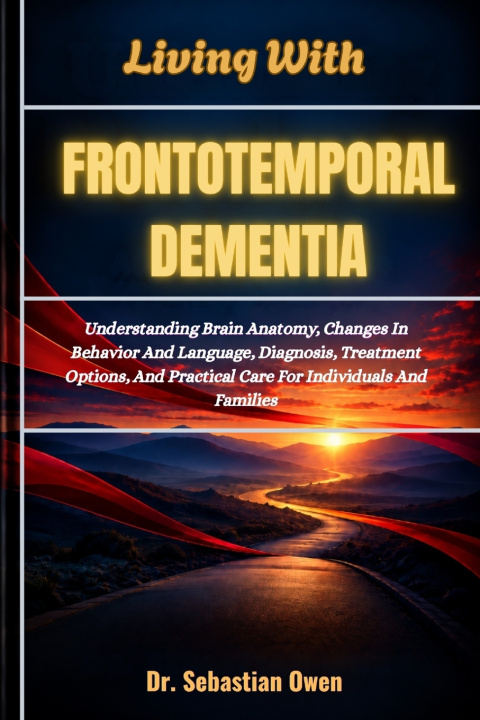
Living With Frontotemporal Dementia
Understanding Brain Anatomy, Changes In Behavior And Language, Diagnosis, Treatment Options, And Practical Care For Individuals And Families
 engleză
 32 b
 Curând
 Nou
Până la 30 de zile pentru returnare

WHEN FRONTOTEMPORAL DEMENTIA CHANGES THE WAY SOMEONE COMMUNICATES, BEHAVES, OR CONNECTS WITH OTHERS, UNDERSTANDING WHAT IS HAPPENING CAN MAKE THE NEXT STEP CLEARER.
What happens when someone you love begins behaving in unfamiliar ways?
Why might language, judgment, motivation, or social awareness change while certain memories remain relatively strong?
How can families distinguish symptoms from personality, support meaningful communication, and make difficult decisions while preserving dignity and safety?
Living With Frontotemporal Dementia by Dr. Sebastian Owen offers a compassionate, accessible guide to understanding FTD and navigating its medical, emotional, and practical challenges.
Through 15 detailed chapters, this patient-and-family resource explains the brain networks involved in behavior and language, the different forms of frontotemporal dementia, diagnostic investigations, treatment considerations, and the everyday decisions that shape care.
DISCOVER THE ESSENTIAL TOPICS INSIDE:
Understand the brain and frontotemporal dementia. Explore the frontal and temporal lobes, connected brain networks, and why changes in behavior, speech, planning, and social awareness can occur.
Recognize different forms of FTD. Learn about behavioral variant frontotemporal dementia, primary progressive aphasia, related movement conditions, and why individual experiences differ.
Navigate diagnosis and testing. Understand the purpose of neurological examinations, cognitive assessments, brain imaging, and specialist investigations.
Respond thoughtfully to behavioral changes. Explore practical approaches to impulsivity, apathy, repetitive behaviors, changes in judgment, and situations that require additional safety planning.
Support communication and language. Discover strategies involving shorter conversations, visual aids, gestures, communication tools, and professional speech-language support.
Understand movement, eating, and swallowing concerns. Learn why rehabilitation, mobility assessment, nutritional support, and individualized swallowing evaluations may become important.
Build workable daily routines. Explore personal care, sleep, familiar activities, environmental adjustments, and ways to maintain meaningful participation.
Make informed treatment decisions. Understand symptom-focused care, medicine reviews, professional support, and the importance of weighing benefits against possible adverse effects.
Address real-world safety and planning. Explore driving, household risks, financial decisions, work responsibilities, legal planning questions, and changing support needs.
Support relationships and family caregivers. Find thoughtful discussions about emotional strain, changing responsibilities, communication within families, and sustainable caregiving.
Understand genetics and future care. Explore genetic counseling, decisions involving relatives, personal preferences, and planning for changing needs.
Use practical companion tools. Organize care information, communication preferences, everyday observations, appointment questions, and important discussions with professionals.
MORE THAN A DIAGNOSIS: PRESERVING THE PERSON BEHIND THE CONDITION
Frontotemporal dementia does not affect everyone in the same way. Abilities, awareness, communication, relationships, and care needs may change differently over time.
This guide avoids unrealistic promises and emphasizes clear information, individualized assessment, practical support, and respect for the person living with the condition.
Understand the changes. Support meaningful choices. Approach each stage with knowledge, compassion, and practical preparation.


Informații despre carte
engleză

Dăruiește această carte chiar astăzi
Este foarte ușor
1 Adaugă cartea în coș și selectează Livrează ca un cadou 2 Îți vom trimite un voucher în schimb 3 Cartea va ajunge direct la adresa destinataruluiBună ziua! Sunt Libroamiko, consilierul dumneavoastră de cărți.
Cu ce vă pot ajuta?