
 Contact
 Cum să cumpăr
Livrare
Consilier de cumpărături
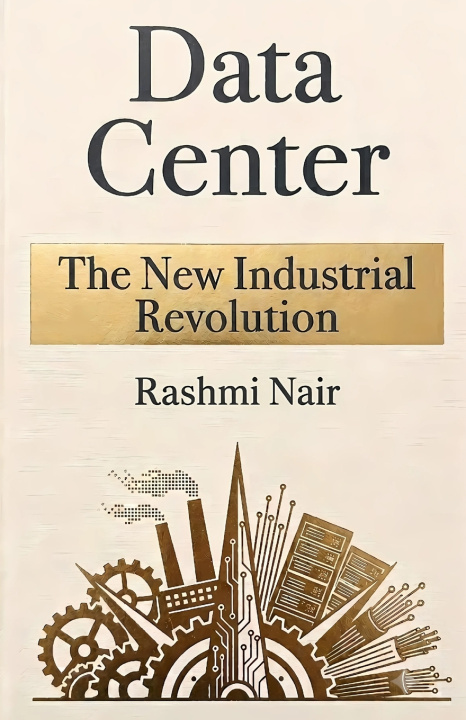
Data Center - The New Industrial Revolution
A Fast Moving Revolution - Unprecedented and Unpredictable
 engleză
 38 b
38 b
 Nou
Nou
Până la 30 de zile pentru returnare

Two hundred and fifty years ago, a factory by a river changed the world. Water turned wheels, wheels turned looms, and a handful of mill towns became the blueprint for an entire industrial age. Today, a different kind of factory is rising, and almost no one can see it. It sits behind a chain-link fence off a highway exit, humming quietly, consuming more electricity than the town beside it, and producing nothing you can hold in your hand. It is a data center, and it is building the invisible infrastructure of the twenty-first century the same way coal, steam, and steel built the visible infrastructure of the nineteenth.
The Invisible Factories argues that this is not a metaphor but a pattern repeating in real time. The energy hunger that once drove nations to fight over coal seams now drives hyperscale operators to buy nuclear reactors outright. The company towns that once rose and fell with a single mill now have a modern counterpart in the rural counties reshaped overnight by a single hyperscale campus. The robber barons who once cornered steel and oil have their successors in a handful of cloud platforms that now function as the essential utilities of the digital economy. And the factory-floor safety movement that had to be invented from scratch a century ago finds its direct descendant in the urgent, unfinished work of securing the critical infrastructure running inside these facilities today.
Drawing on decades spent inside industrial control systems, critical infrastructure, and operational technology security, this book takes readers on a tour of the modern data center the way a great industrial history explains a blast furnace: plainly, vividly, and without ever talking down to its audience. It is written for anyone who has ever wondered what actually happens inside those windowless buildings multiplying across the landscape, and for anyone who suspects, correctly, that we have been here before.


Informații despre carte
engleză
