
 Contact
 Cum să cumpăr
Livrare
Consilier de cumpărături
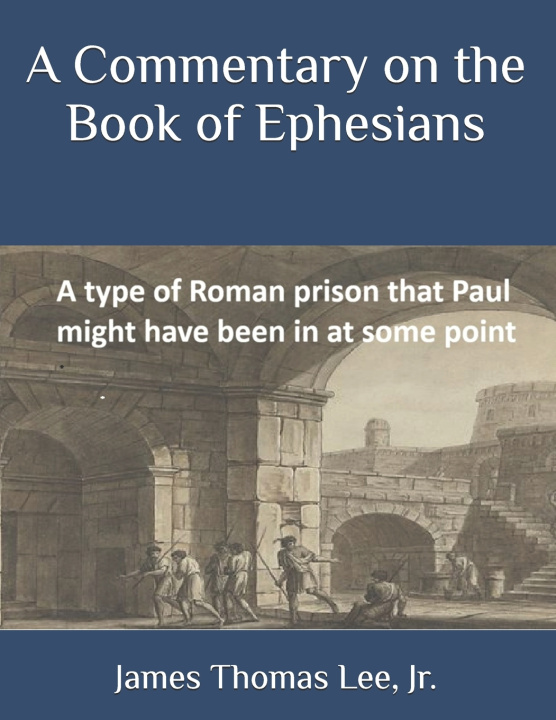
A Commentary on the Book of Ephesians
 engleză
 61 b
61 b
 Nou
Nou
Până la 30 de zile pentru returnare

In trying to date the Apostle Paul's letter to the church in Ephesus, all one can do is try to determine when he got to Jerusalem at the end of his third Bible-recorded missionary journey and was arrested. He was the author of this letter to that church because he followed his normal procedure of identifying himself. In Ephesians chapter one, he said that he was the author, and there is no reason to believe that he was not. So while it might be difficult to know the exact date that he wrote this letter, the best guess by Bible scholars is the early seventh decade of the First Century AD.
Because of his work in Proconsular Asia, where the churches in Ephesus, Smyrna, Pergamon, Sardis, Philadelphia, Laodicea, and Colosse were located, this letter to the church in Ephesus was actually similar to his letter to the Colossian church. But the commonality between those two letters makes complete sense because all of those churches existed within the same part of the immoral Roman Empire.
To the Colossians, Paul said, in Colossians chapter two, to be established in the Faith. To the Ephesians, he said to be established and "rooted" in the Faith in Ephesians chapter three. In Colossians chapter two and Ephesians chapter one, he referenced the truth that Jesus is above the principalities and powers. But his mention of those things really shows that Jesus is over all powers in the heavens, as well as in the earth.
In Colossians chapter one and Ephesians chapter one, Paul said that Jesus has reconciled all things to Himself, including them. Also in Colossians chapter one, but this time in Ephesians chapter three, he identified his gift from the Lord as being called into the ministry.
In Colossians chapter two and Ephesians chapter four, he emphasized the importance of being wise and not falling for false teaching. Many false teachers were already in the Proconsular Asia area, particularly of the philosopher and Gnostic variety. So to both churches, Paul encouraged the people to grow up in the Lord. He advised them not to be so easily fooled by those who would teach vain deceits and false doctrines.
As a final word to the churches at Ephesus and Colosse, a problem, in that area only, was probably the telling of lies. So Paul also addressed that in his letter to this church.
But now, there is one note to be made before ending this introduction with respect to the organization of this text. Something that the reader might find useful, in the NON-AUDIO version of this text, is figures throughout that show the different passages that are referenced at the times and in the places where they are referenced.
That way, he or she will not have to jump all over the place or get into or out of the scriptures to locate a particular reference. Hopefully that inclusion will help the reader better understand the various events and to also put them into their right context. It is also hoped that that will make this book easier to read and that the Lord will receive the praise, honor, and glory that He rightfully deserves. Of course, in the AUDIO version of this text, those figures will NOT be used because that would make it an extremely difficult experience for listening to or for trying to understand.


Informații despre carte
engleză
Categorii

Dăruiește această carte chiar astăzi
Este foarte ușor
1 Adaugă cartea în coș și selectează Livrează ca un cadou 2 Îți vom trimite un voucher în schimb 3 Cartea va ajunge direct la adresa destinataruluiBună ziua! Sunt Libroamiko, consilierul dumneavoastră de cărți.
Cu ce vă pot ajuta?